Open Book and Pen Line Art: Graphics for Crafts and Creative Design
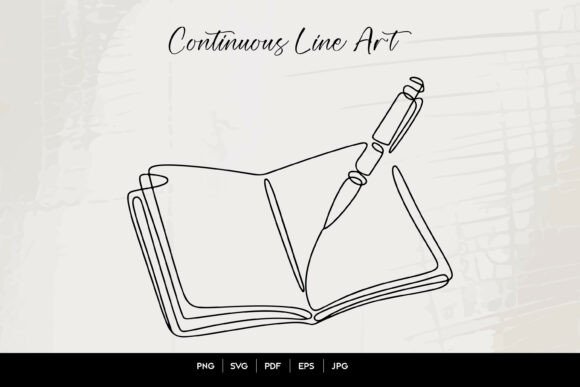
As a brand designer and content marketer, I’ve seen countless graphic design assets come and go. But the Open Book and Pen Line Art stands out as a versatile tool that can elevate branding, marketing visuals, and editorial design. This minimalist illustration offers a timeless aesthetic that resonates with audiences looking for inspiration, knowledge, and creativity.
The First Impression: A Mood of Learning and Inspiration
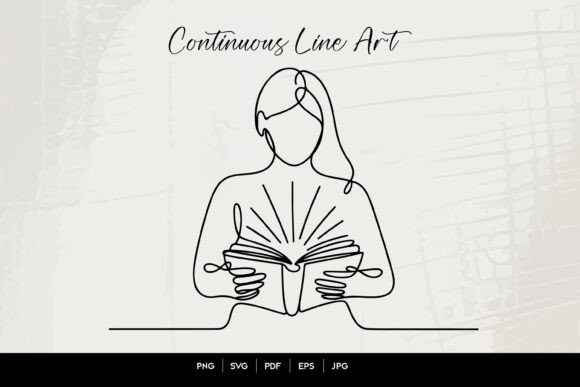
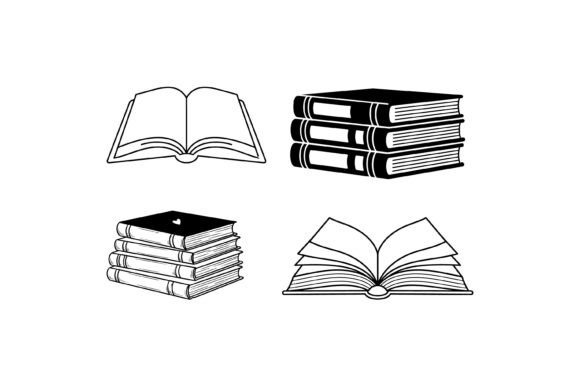
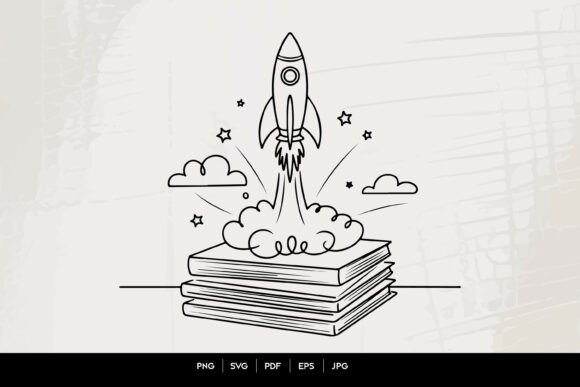
The Open Book and Pen Line Art immediately evokes a sense of learning, writing, and intellectual pursuit. Its clean lines and abstract style create a calm, thoughtful mood that aligns well with educational brands, literary businesses, and lifestyle content. The design feels modern yet classic, making it suitable for both casual and premium branding efforts.
This visual is ideal for small business branding, especially for those in the education, publishing, or self-improvement niches. It can also serve as a strong foundation for digital products, printable designs, or social media graphics that aim to communicate growth, knowledge, and creativity.
How Open Book and Pen Line Art Performs in Real Marketing Scenarios
In real-world marketing projects, the Open Book and Pen Line Art shines in multiple areas. It works well as a brand identity element, adding a subtle but meaningful touch to logos, packaging design, and product labels. When used in social media graphics, it helps create a cohesive visual language across platforms like Instagram, Pinterest, and Facebook.
This asset is also valuable for content marketing. Whether you’re designing blog headers, email banners, or lead magnets, the Open Book and Pen Line Art adds a professional look without overwhelming the message. It’s particularly effective in editorial design, where clarity and visual balance are key.
For digital ads, the design supports a strong visual hierarchy, ensuring that the main message remains clear while the illustration enhances the overall appeal. In web design, it can be used as a background element or accent to draw attention to key sections of a site.
Supporting Marketing Goals with Visual Consistency
One of the most valuable aspects of the Open Book and Pen Line Art is its ability to support consistent branding. By incorporating this design into your marketing materials, you create a unified look that strengthens audience recognition and trust. It also helps in building a stronger first impression, which is crucial for capturing attention in a crowded digital space.
This design asset is perfect for content kits, Canva templates, and design bundles that need a versatile and adaptable visual element. It pairs well with various font styles—serif, sans serif, script, and display fonts—allowing for flexibility in different design contexts. However, it’s important to test how it looks with your brand’s color palette and ensure it doesn’t clash with other elements in your campaign.
Where Open Book and Pen Line Art Works Best
The Open Book and Pen Line Art excels in hero graphics, campaign headers, and product launch visuals. It can serve as a central element in branded templates, social media covers, and packaging accents. For content creators, it’s an excellent addition to content bundles, promotional banners, and editorial layouts that require a clean and professional look.
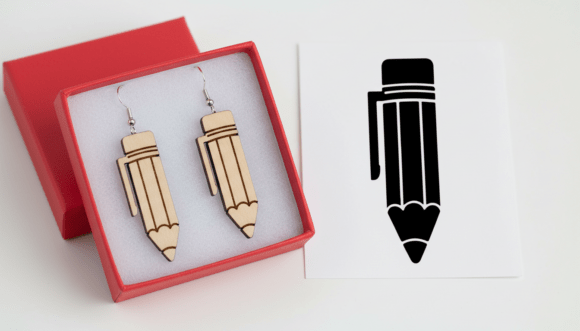
It also works well in decorative brand elements, such as stickers, merchandise, and event flyers. Its minimalist nature allows it to blend seamlessly into a wide range of creative projects without overpowering the main message.
Where to Use It Carefully
While the Open Book and Pen Line Art is highly versatile, there are situations where it should be used with caution. In formal corporate branding, where simplicity and professionalism are paramount, this design might not be the best fit. Similarly, in dense information layouts or text-heavy ads, the illustration could compete with the main message and reduce readability.
On small mobile screens, the detail in the line art may become less visible, so it’s important to test it at various sizes. Low-contrast backgrounds can also make the design less effective, so consider how it will appear in different environments before finalizing your design choices.
Practical Notes for Brand Designers and Content Creators
Before using the Open Book and Pen Line Art in your campaigns, test it with your brand’s color palette. Check how it looks in black and white to ensure it still holds visual interest. Place it inside real campaign mockups to see how it interacts with other design elements.
Preview it on mobile screens to confirm that it remains legible and visually appealing. Compare it against competitor visuals to ensure it stands out in a unique way. Review how it pairs with different font styles and check spacing and balance to maintain a polished look.
Finally, always confirm commercial licensing before using the design in paid campaigns, client work, or business branding. This ensures that you’re compliant and can use the asset without any legal issues.
Why Open Book and Pen Line Art Is a Strong Design Asset
The Open Book and Pen Line Art is more than just a graphic design asset—it’s a tool that can help you build stronger connections with your audience. Whether you’re creating digital products, printable designs, or marketing visuals, this illustration offers a professional and elegant way to communicate your brand’s values.
Its adaptability makes it a valuable addition to any creative marketplace, and its minimalist style ensures it remains relevant across different trends and industries. For small business owners, online coaches, and content creators, it’s a powerful asset that can enhance your brand’s visual identity and improve engagement across all platforms.